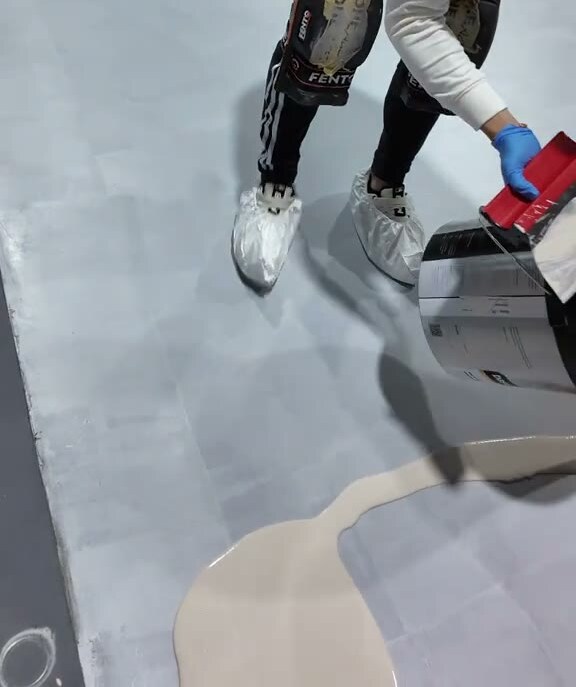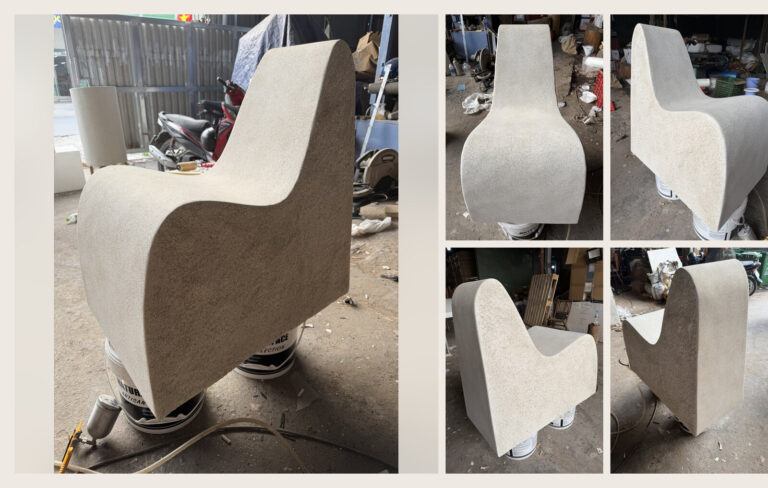
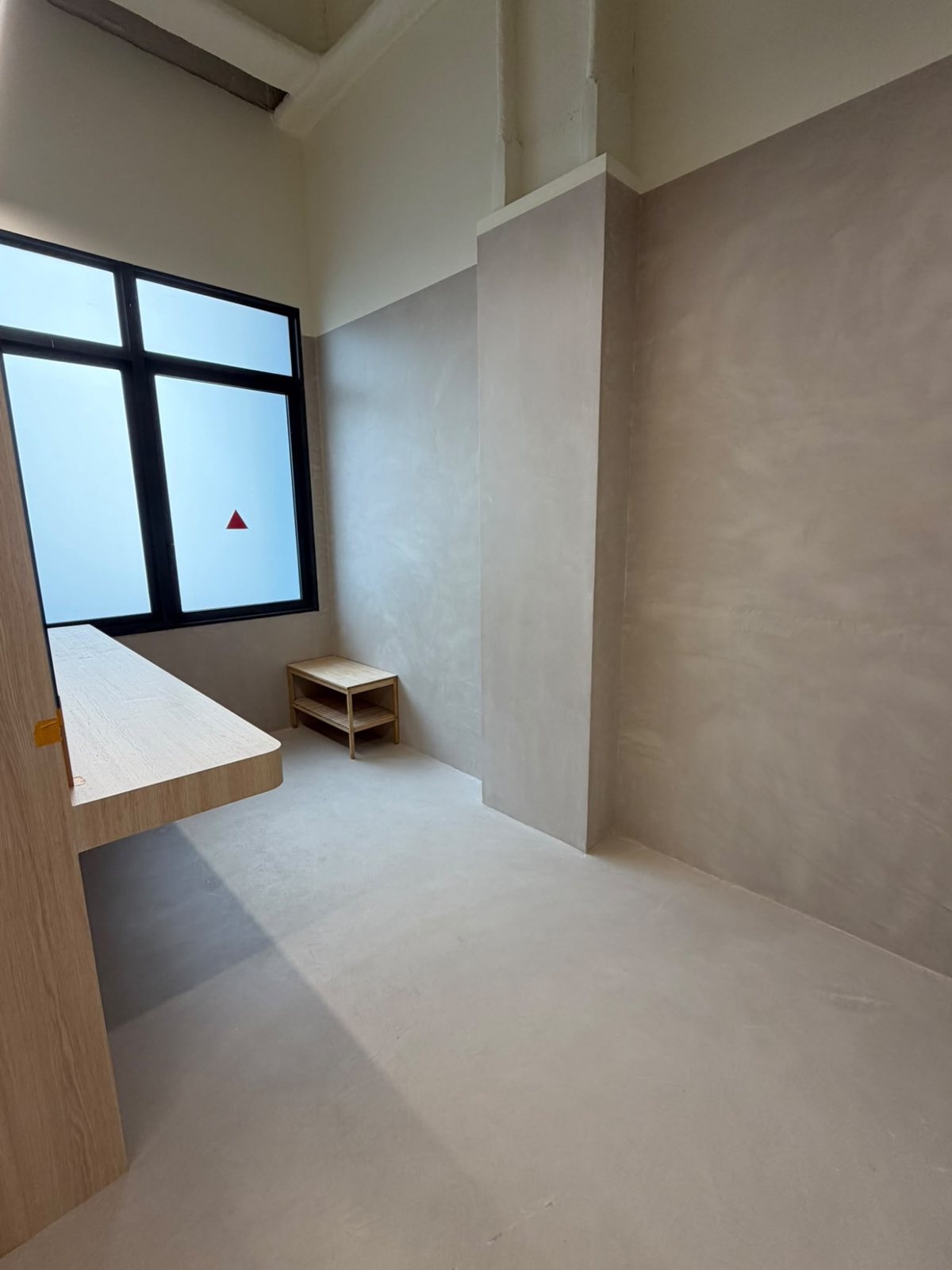
A microcement floor that is laid over a sound base with a well-made system, and is cleaned properly and resealed when needed, can last many years. Industry guides commonly talk about a decade or more. How long yours lasts depends on four things: the surface underneath, the product and build-up, the protective top coat, and how the floor is used and cared for.
No honest applicator can give you an exact lifespan, but here is what makes the difference.
The four things that decide lifespan
1. The base
Microcement is a thin, bonded layer. If the tiles or screed underneath move, the finish can crack. A proper survey and repair of hollow or loose tiles before laying is the single biggest factor. See does microcement crack over time.
2. The system
Not everything sold as microcement is the same material. A consistent, properly formulated system with the right build-up for floors behaves more predictably than a loose mix. Ask which product is used and how many layers go on.
3. The top coat
The sealer takes the daily wear. It protects the cement body from water and stains. On a busy floor, the top coat wears first, and refreshing it brings the floor back. This is normal maintenance, not a failure.
4. Use and care
Grit under shoes, dragged furniture and harsh cleaners shorten a floor’s life. A pH-neutral cleaner, felt pads and doormats extend it. See how to clean and maintain microcement floors.
Singapore conditions
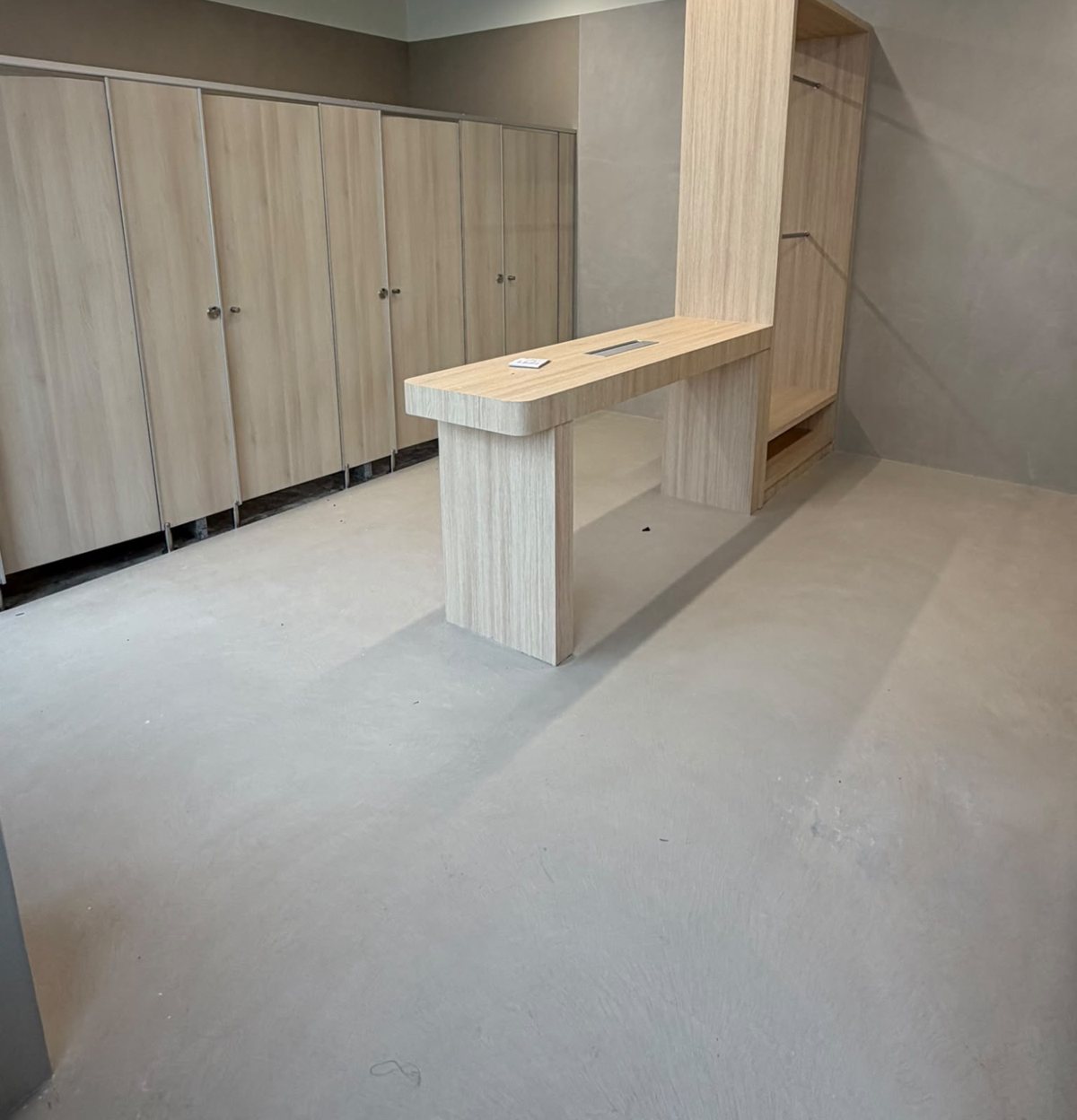
- Humidity: a sealed, grout-free surface does well in humid homes, but bathrooms still need ventilation.
- Older resale flats: more substrate movement is common, so preparation matters more.
- Sunny balconies and outdoor areas: ask your applicator which system suits sun and rain exposure.
- Busy households: children, pets and shoes indoors mean the top coat will need refreshing sooner on walkways.
Signs your floor needs attention
- Water no longer beads on the surface
- Dull, worn paths where people walk most
- Stains that soak in instead of wiping off
- A hairline crack, which means something underneath may be moving
The first three usually mean the top coat needs refreshing. The last one is worth having your applicator look at.
How it compares with tiles
Tiles themselves are very hard wearing, but grout stains and grows mould over time in Singapore’s climate. Microcement has no grout lines, but it does need its top coat looked after. It is a different kind of maintenance, not necessarily more.
Questions to ask about longevity
- What did you check in my existing floor, and what needs fixing first?
- Which system will you use for this area, and why?
- How many top coats go on, and what do they protect against?
- What is the care routine, and what should we never use on it?
- What does refreshing the top coat involve when the time comes?
Good answers to these tell you far more about how long your floor will last than any headline number.
How Jiu Ding Sheng builds floors to last
We survey every floor before quoting and only lay over a sound surface, because that is where longevity starts. We use the Natural Surface M Series from Australia, premixed so every batch is consistent, configured as NS Grit, NS Solid or NS Xtreme to suit the area and use. Each floor is laid at 1 to 1.5mm in four layers with no primer and finished with two protective top coats. Care is a pH-neutral cleaner and a mop, and we explain what refreshing the sealer involves before you commit. Read more on the Material page and see finished floors on the Projects page.
Comparing materials? See microcement vs epoxy flooring.
Quick answers
How many years does a microcement floor last?
It depends on the base, the system, the top coat and care. Industry guides commonly talk about a decade or more for a well-installed, well-maintained floor.
Does microcement need resealing?
On busy floors, yes, from time to time. Refreshing the top coat when water stops beading or walkways look dull brings the floor back.
Does Singapore’s humidity shorten microcement’s life?
A sealed, grout-free surface handles humidity well. Ventilation in bathrooms and proper care of the sealer still matter.
What shortens the life of a microcement floor?
Laying over a moving or hollow base, harsh cleaners like bleach, grit under shoes and dragging heavy furniture.
Next step
Want to know how microcement would hold up in your home? Send us photos of your current floor and the rough area. WhatsApp +65 8049 1188 or book a showroom visit via the contact page.